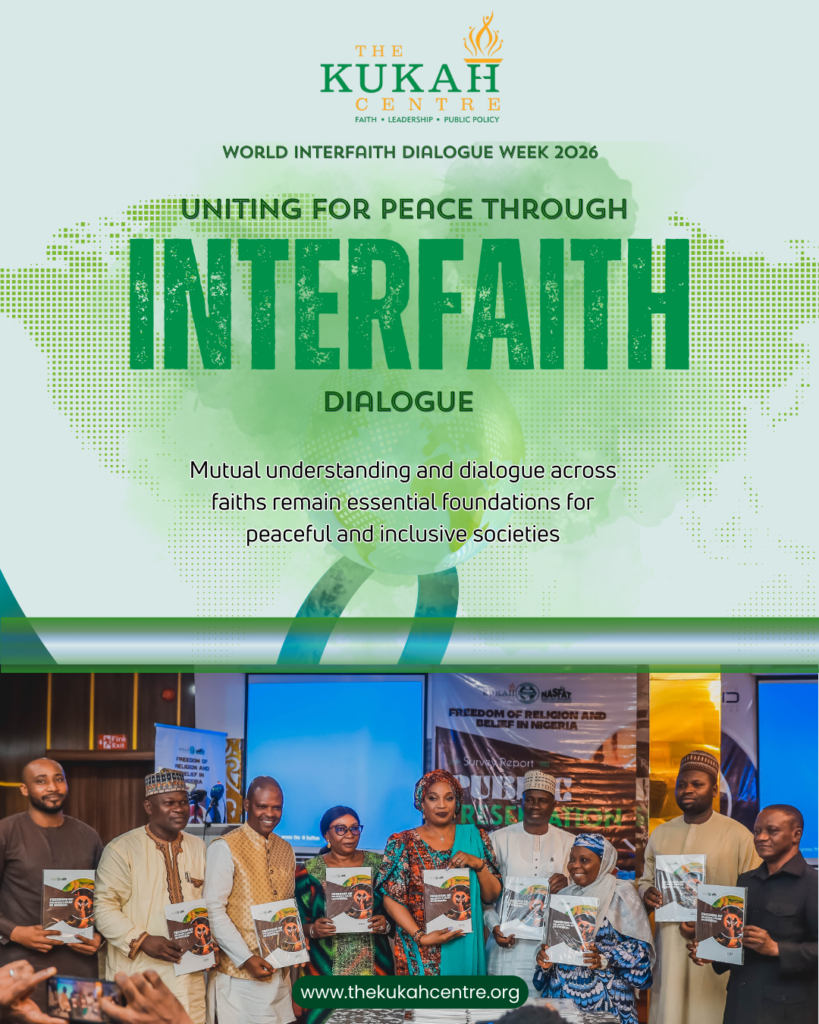
As the world marks World Interfaith Harmony Week, we are reminded that mutual understanding and dialogue across faiths remain essential foundations for peaceful, inclusive, and just societies. In contexts of diversity, whether religious, ethnic or cultural; peace is not sustained by silence or avoidance, but by deliberate engagement and respectful conversation.
Established by the United Nations in 2010, World Interfaith Harmony Week underscores the power of interreligious dialogue in nurturing a culture of peace, one that transcends differences of belief and brings people together around shared values of dignity, justice and coexistence. At a time when religion is often misused to divide communities or justify violence, the observance offers a timely reminder of faith’s potential as a force for unity and social cohesion.
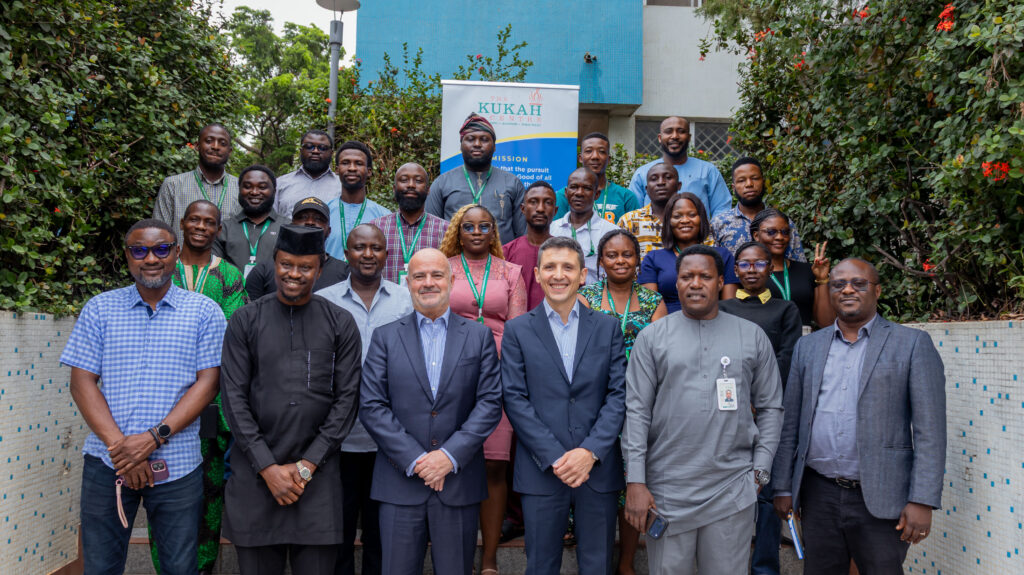
At The Kukah Centre, interfaith dialogue is not a symbolic gesture, it is central to our mission and practice. For years, the Centre has convened various faith leaders from different religions in structured, sustained engagements aimed at building trust, reducing suspicion, and fostering collective responsibility. These dialogues create safe spaces for honest conversations, allowing faith leaders to confront difficult issues, challenge harmful narratives, and identify shared pathways toward peace.
Our work has shown that in communities affected by conflict, electoral tensions and social fragmentation, faith leaders play a critical role as moral voices and community anchors. When they speak together with one voice, communities listen. When they model respect and cooperation, divisions begin to soften. Interfaith dialogue, in this sense, becomes not only a tool for peacebuilding, but a foundation for democratic participation, accountability and social justice.
In a time of global uncertainty and rising polarization, both within and across nations, dialogue across faiths offers a powerful pathway to unity. It strengthens social cohesion, counters extremist ideologies, and reinforces the shared responsibility of religious communities in promoting peace, justice, and good governance. It also affirms that diversity, when properly engaged, is not a threat but a strength.
As we observe World Interfaith Harmony Week, The Kukah Centre reaffirms its commitment to leveraging interfaith dialogue as a practical and transformative tool for healing divisions, promotes understanding, and build a Nigeria where differences of faith are respected, and shared humanity is upheld.
Peace begins with dialogue. And dialogue begins when we choose to listen.