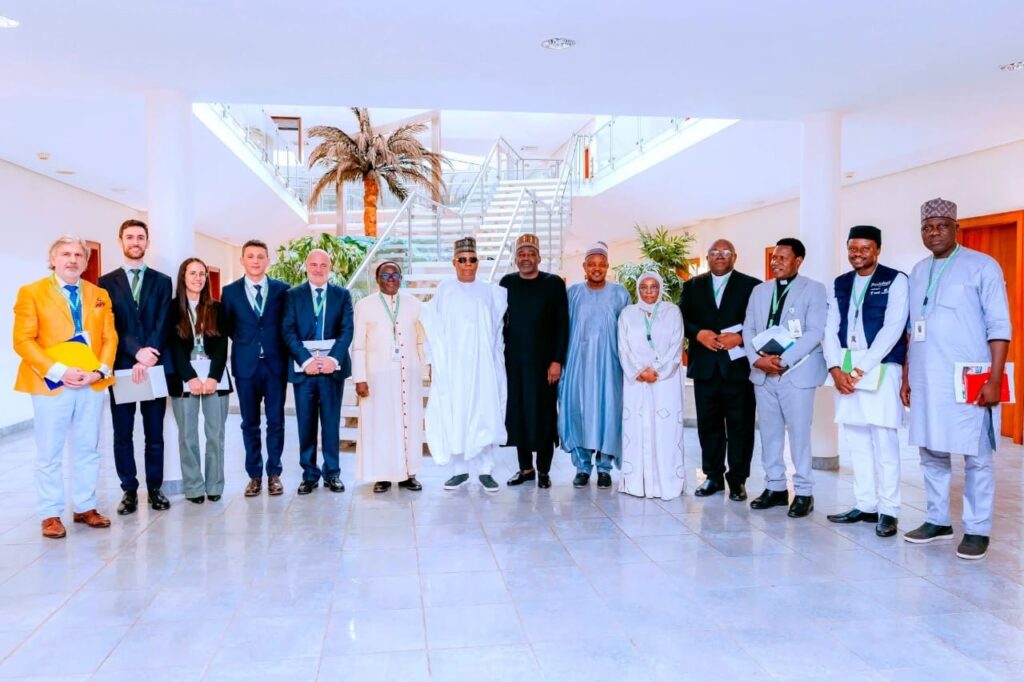
The ProFuturo delegation’s two-day visit to Nigeria concluded with a high-level courtesy visit to the Presidential Villa in Abuja, where representatives of The Kukah Centre, Fundación ProFuturo, the Embassy of Spain, and the European Union Delegation met with the Vice President of the Federal Republic of Nigeria, His Excellency Senator Kashim Shettima.
The delegation was led by His Lordship, Bishop Matthew Hassan Kukah, founder of The Kukah Centre and a longstanding advocate for education, peacebuilding, and national development. The meeting provided an opportunity to reflect on the remarkable progress achieved through the ProFuturo digital education programme in Nigeria and to explore pathways for strengthening collaboration in advancing digital learning across the country.
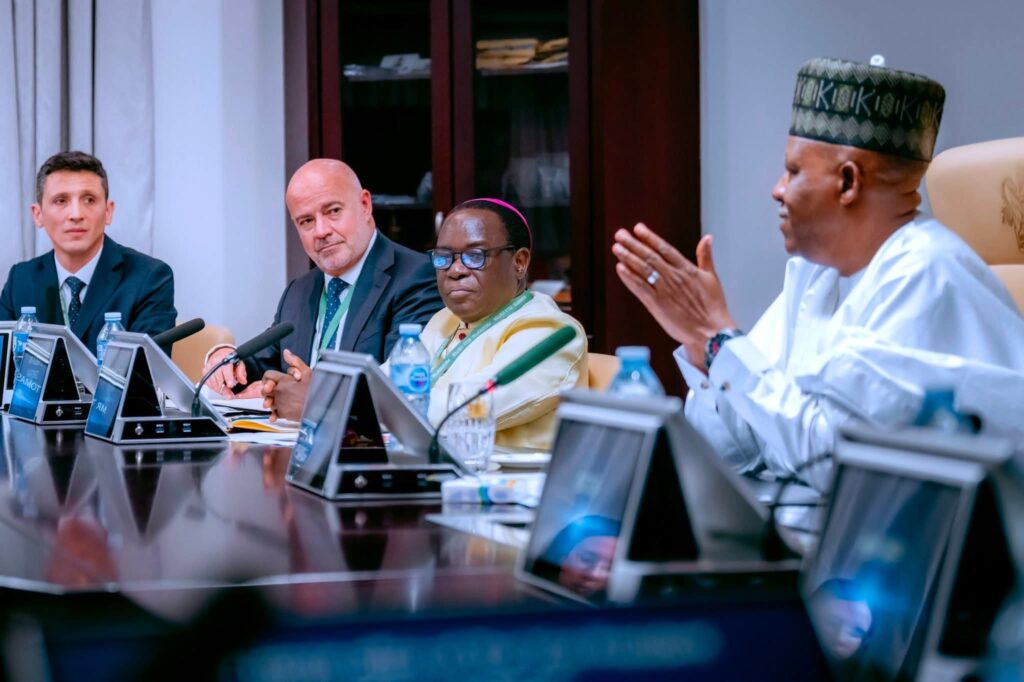
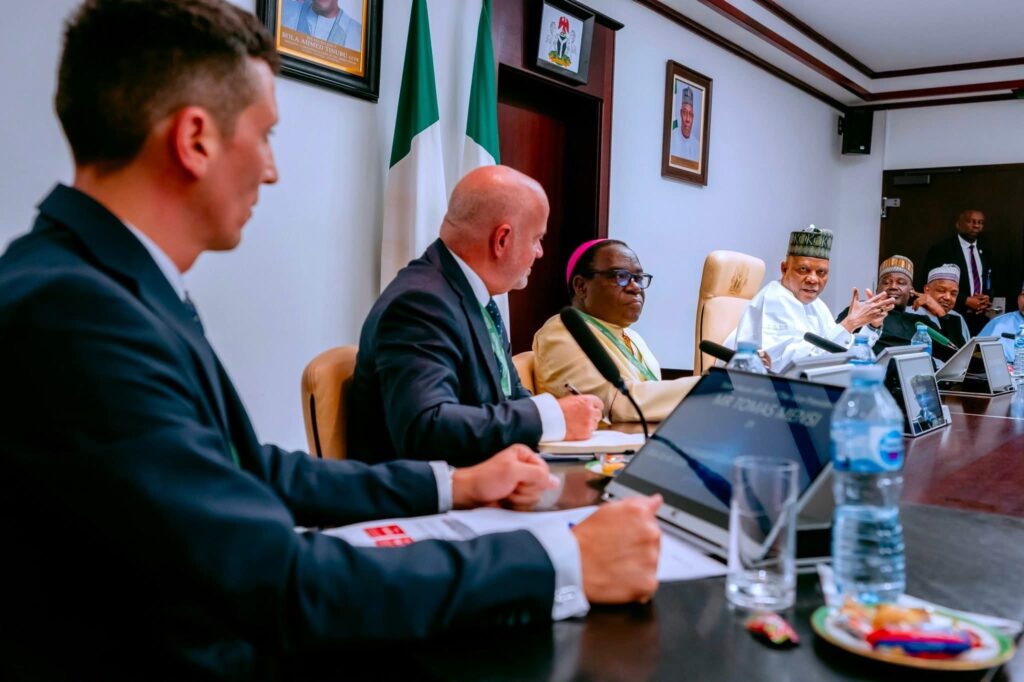
During the engagement, Vice President Shettima commended the partnership between Fundación ProFuturo and The Kukah Centre for its transformative impact on education, particularly in underserved and vulnerable communities. He acknowledged the programme’s contribution to expanding access to quality digital learning opportunities and equipping young Nigerians with the skills needed to thrive in an increasingly digital world.
Since its introduction in Nigeria, the ProFuturo programme has made significant strides in improving digital literacy and educational outcomes. The initiative has reached 13 states across the country, benefiting 123 schools, over 72,000 students, and more than 1,150 teachers. Through the provision of innovative digital learning tools, teacher training, and technology-enabled educational resources, the programme continues to bridge educational gaps and create opportunities for learners in communities with limited access to quality educational infrastructure.
Vice President Shettima emphasized that developing the digital capacity of Nigeria’s young population remains a critical component of the country’s broader development agenda. He noted that investments in education and digital skills are essential to preparing the next generation for future economic opportunities and ensuring that Nigeria remains competitive in the global digital economy.
His remarks echoed the vision that underpins the work of Fundación ProFuturo and The Kukah Centre, both of which remain committed to leveraging technology as a tool for educational inclusion, empowerment, and sustainable development.
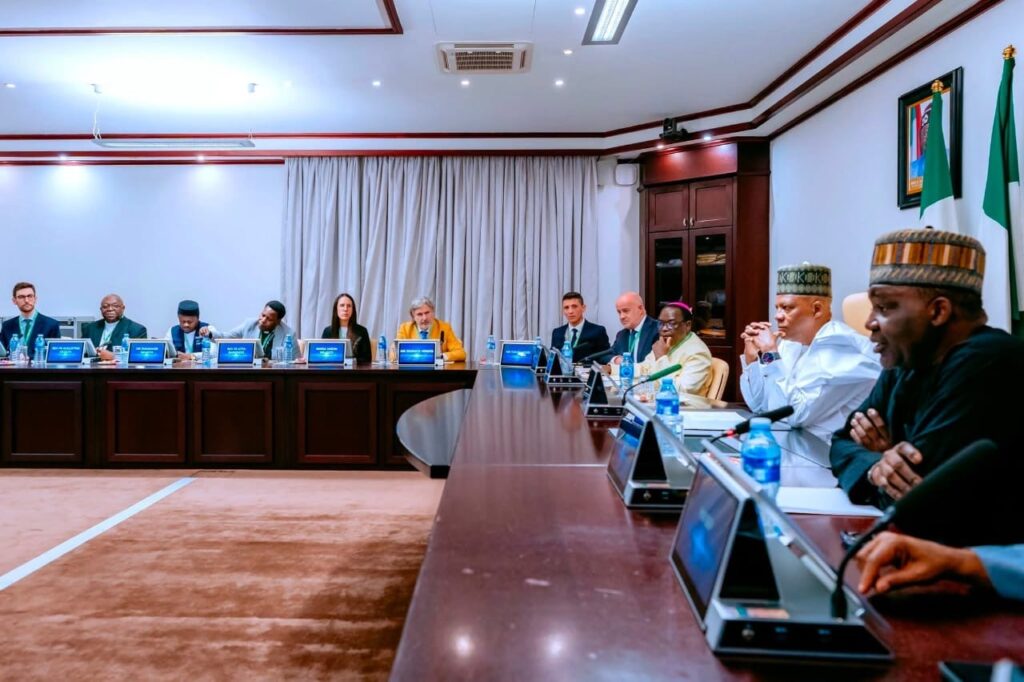
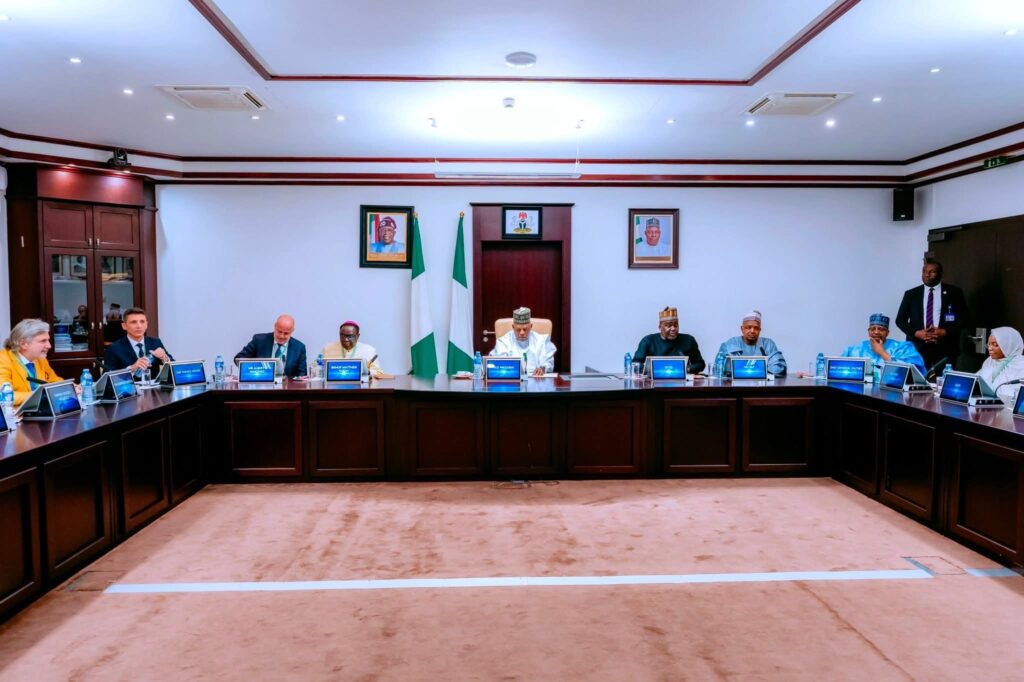
The meeting also highlighted the importance of international partnerships in supporting educational transformation. Representatives from the European Union Delegation and the Embassy of Spain reaffirmed their support for initiatives that promote inclusive and equitable access to education, recognizing digital literacy as a key driver of social and economic progress.
Accompanying the Vice President at the meeting was the Honourable Minister of Budget and Economic Planning, Senator Abubakar Bagudu. The ProFuturo delegation included Mr. Albert López Martínez, Deputy Director to the President of Fundación ProFuturo, and Mr. Tomas Mensi, Head of Global Operations at Fundación ProFuturo.
Other distinguished participants at the meeting included His Excellency Mr. Zissimos Vergos, Deputy Head of the European Union Delegation to Nigeria; María Higón Velasco, Deputy Head of Mission at the Embassy of Spain in Nigeria; Dr. Aisha Garba, Executive Secretary of the Universal Basic Education Commission (UBEC); Fr. Atta Barkindo, PhD, Executive Director of The Kukah Centre; and Dr. Emmanuel Nkanta, Deputy Director of The Kukah Centre and ProFuturo Nigeria Project Manager.
The courtesy visit marked a fitting conclusion to the delegation’s engagements in Nigeria and reinforced the shared commitment of all stakeholders to expanding access to quality digital education. As the ProFuturo programme celebrates a decade of implementation in Nigeria, the meeting underscored the importance of continued collaboration in ensuring that more children, teachers, and communities benefit from the opportunities that digital learning provides.
The visit also served as a powerful reminder that strategic partnerships between government institutions, international development organizations, and local implementing partners can play a vital role in shaping the future of education and empowering the next generation of Nigerian leaders and innovators.